Download, Free Today
Landlords, Must Have Compliance Checklist

The landlord’s electrical certificate – known officially as an electrical installation condition report (EICR) – is an essential part of renting out property in Lower Marsh, The Cut, or indeed anywhere across England. Regulations introduced in 2020 mean that private landlords must arrange for a qualified and competent person to inspect the electrical installations in their property, and produce the report, at least every five years.

For the vast majority of SE1 landlords, it goes without saying that providing a safe rental home for tenants is a priority. However, there are steep penalties for landlords who fail to comply with the regulations. To help you understand your responsibilities where electrics are concerned, we explain what is checked, how often you need an inspection, and answer some frequently asked questions about landlords’ electrical certificates.
The Landlord and Tenant Act 1985 states that landlords need to maintain the property’s electricity supply and ensure the property is free from electrical hazards, and recent law changes set out clear electrical safety inspection rules.
It’s coming soon and you need to prepare your property business. Get ahead of the curve with our FREE guide so you stay compliant & avoid fines.
The Electrical Safety Standards in the Private Rented Sector (England) Regulations require landlords to arrange regular inspections of the property’s electrical installations to ensure they meet electrical safety standards. Once obtained, landlord electrical safety certificates last for 5 years.
The inspection aims to ensure the safety of tenants by minimising the risk of fires and electric shocks from overloaded circuits, defective electrics or faulty wiring. Electrical safety inspections must be carried out by a ‘qualified and competent person’, who will test the wiring, plug sockets, light fittings, fuse boxes, and permanently connected devices like electric showers and extractor fans.
Landlords are legally required to complete remedial works as instructed, and supply a copy of the report to tenants within the 28 day deadline.
Arrange an inspection by a competent person at least every five years. They will produce a report that includes the results of the inspection and the date that the next inspection is due.
Arrange for any remedial works from the electrical safety record to be carried out within 28 days, or the date indicated in the report, of this is shorter than 28 days. Written confirmation that these remedial actions have been completed should be provided to the tenant and local authority within 28 days.
Read full details of the regulations around landlord’s electrical certificates on the gov.uk website.
An electrical safety check involves a series of electrical installation tests completed by a qualified engineer. Any fixed wiring installations in the property should be inspected and tested, such as:
The length of time the electrical safety check takes will usually be around 30 mins to an hour, depending on the property size and the number of circuits that require to be tested. The average cost of the landlord electrical safety certificate is around £100 to £200.
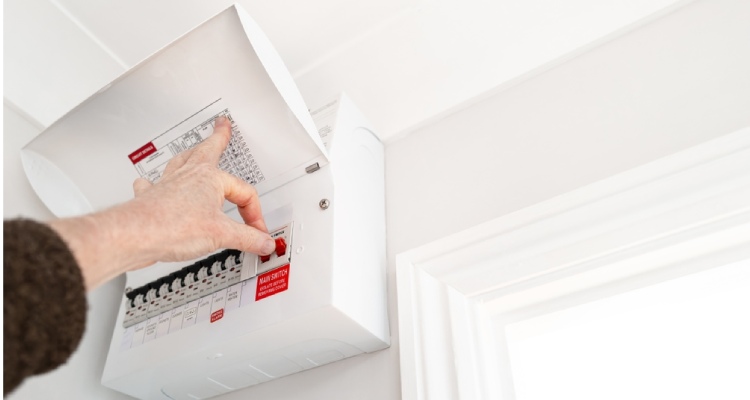
The electrical safety report involves the inspection and testing of the electrical installations in the property. The electrical inspector produces a comprehensive Electrical Installation Condition Report (EICR) that indicates whether each element of the inspection is satisfactory or unsatisfactory.
If any further investigative work or remedial actions are required, these will be listed on the electrical safety report with a due date. The following codes are used to indicate the results:
The landlord must take the required actions for any observations that are marked as unsatisfactory, and give written confirmation to the local council and tenants once complete.
If your property’s electrical safety inspection fails and the report is unsatisfactory, it is important that you take the required action to avoid fines of up to £30,000 and other consequences. If an electrical installation has been indicated as having danger present and risk of injury, you must arrange urgent repairs to rectify the issue so that tenants are not endangered.
When a vacant property fails the EICR, you should ensure that all remedial actions are completed before new tenants move in.
The regulations on landlord electrical safety certificates relate to all assured shorthold tenancies. They also apply to houses in multiple occupation (HMOs) of three or more tenants. HMOs with five or more tenants must be licensed. These licences include a mandatory condition ensuring that every electrical installation is in proper working order and safe for use.
The regulations say the person who carries out your inspection must be competent and suitably qualified. This usually means a registered electrician who has qualifications such as Certificate in Electrical Installation and Certificate in Electrical Regulations. You can ask to see the inspector’s qualifications before they do the testing.
You can also check whether the electrical inspector you are using is a member of a competent person scheme. Read more about who can carry out the electrical safety check online on the electrical competent person scheme website.
For private landlords, the electrical safety standards you need to meet for electrical installations are set out in the 18th edition of the Wiring Regulations. If these standards aren’t met, you must arrange further investigation and any necessary remedial works to be carried out by a registered electrician. Electrical Safety First offers more detailed guidance for landlords.
Landlords don’t require landlord electrical safety certificates to rent out a new build properties, if you hold a valid Electrical Installation Certificate (EIC). EICs last for 5 years, after which you will need to arrange an EICR.
The penalties of not arranging an electrical inspection of your properties can be steep – in the UK, local authorities can prosecute landlords, with maximum fines of £30,000.
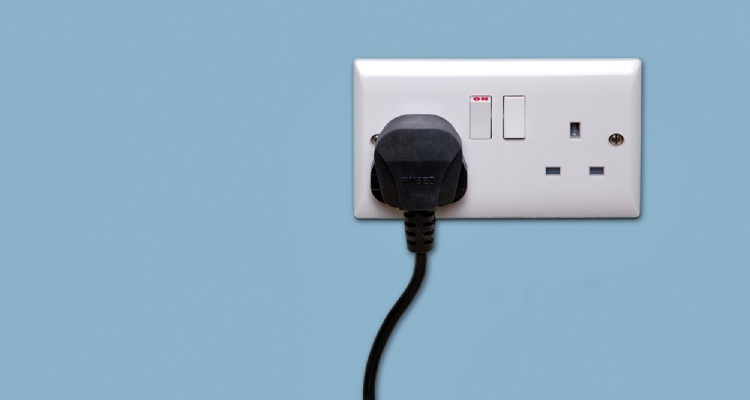
The regulations do not cover portable appliances – only electrical installations. This means that fridges, TVs and other appliances fitted with a plug will not be inspected or covered by the report. It is recommended that landlords carry out portable appliance testing (PAT) for all electrical appliances and gadgets they install in the property, to make sure they are safe for tenants. PAT testing involves a visual inspection of the appliance and its leads and plugs as well as further tests in some cases. You are not responsible for portable appliances which your tenants bring to the property.
No, you can carry out PAT testing yourself, but you must be competent in what to look for when you make a visual inspection, and in using the necessary testing equipment correctly. Training is readily available. If you are concerned about an appliance or do not feel confident about carrying out PAT testing, get a qualified electrician.
Look for issues with electrical work such as frayed leads, damaged plugs, visible wires, loose screws and signs of overheating such as scorch marks. Also check for appliances in contact with water or cables trapped under furniture.
PAT testing is not a legal requirement, but it is a good idea to carry out the testing before your tenant moves in. You could follow up each year as part of your general property inspections.
Remind your tenants that landlord electrical safety certificates are legally required, and keep written records of your attempts. Make at least 3 genuine attempts to arrange access, to prove that you have made all reasonable efforts to carry out the electrical inspection.
Take a look at this article to understand a landlords’ legal responsibilities to tenants regarding health and safety.
If you’re new to renting out property in Bermondsey, London Bridge or Waterloo, we’d be happy to advise you about landlord electrical certificates and inspections. Contact us to find out more about our services for landlords that can take the weight of managing your responsibilities off your shoulders.

We’re here to help with any property-related queries you may have


Becoming a landlord can be very profitable, but you must pay tax on rental income. To avoid penalties, you must understand your tax oblig...

What are a London landlord’s repair obligations in 2026? Landlords have long had obligations to make repairs under the Landlord and Tenan...

In London areas like SE1, warehouse conversions have become highly in-demand rental properties. High-earning professionals are attracted ...




Lee Whitelock
Director
Being a landlord in London can be confusing. How do you make sure you are compliant?