Download, Free Today
Landlords, Must Have Compliance Checklist

As a landlord, there are many legal responsibilities and obligations that you will need to get to grips with to stay on the right side of the law. Dealing with repairs and maintenance is one of these.

Inevitably, repairs will be required to a rental property’s interior and exterior areas. Landlords and tenants are often unaware of their responsibilities regarding repairs and maintenance. If you are a landlord in the SE1 area of London, such as Shad Thames or Wapping, read on for further information on landlord repair obligations and your legal duties.
Under Section 11 of the Landlord and Tenant Act 1985, any repair or maintenance requirements the tenant does not cause are the landlord’s responsibility. As such, the landlord is responsible for ensuring that the property is structurally sound, the exterior of the property is well maintained, and the property is fit to live in.

Being a landlord in London can be confusing. There are over 170 Acts & Regulations to consider, so, how do you know if you are compliant?
This includes:
Any statements in the tenancy agreement cannot override these repairing obligations. However, the tenancy agreement may set out extra responsibilities, such as repairing appliances or garden maintenance.
Landlords are also responsible for repairs to common areas in freehold property.
As a landlord, you must repair and maintain most structural, exterior and utility installations. This covers the property’s electricity, water and gas supplies, including electrical wiring, sockets and water pipes.
You are responsible for repairing the rental property’s heating and hot water systems, including the boiler, pipework and any radiators. Landlords must also keep sanitation installations such as sinks, toilets and showers in good working order.
Landlords are only responsible for repairing appliances linked to the electricity, water or gas supply (like ovens or washing machines) if it’s stipulated in the tenancy agreement.
| Area | Landlord’s Responsibility? |
|---|---|
| Structure and exterior | Yes |
| Gas appliances and pipes | Yes |
| Water and sanitation | Yes |
| Electrical wiring and sockets | Yes |
| Landlord-supplied appliances not linked to fixed installations | Only if specified in tenancy agreement |
| Tenant-supplied appliances | No |
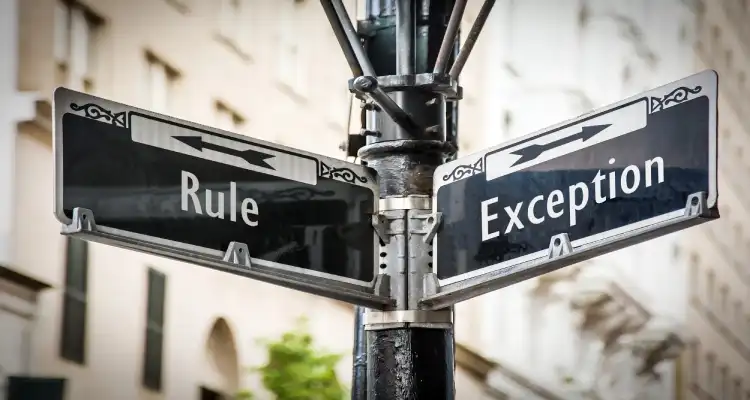
Repairs are excluded from Section 11 if the tenants have permission to remove the item from the property, or caused the damage by not behaving in a tenant-like manner. This means taking day-to-day care of the rental property, e.g. keeping it clean, airing it to prevent condensation, changing lightbulbs and informing the landlord if repairs are needed. Exceptions are also made for destruction or damage by fire, storms or a flood.
Whoever reported the issue, even if the tenants are responsible, landlords must carry out repairs within a reasonable timeframe.
There is no statutory deadline under Section 11, but landlords should complete repairs within a ‘reasonable’ timeframe under Section 11. Time scales are dependent on how severe the problem is. For example, a broken boiler, meaning there’s no hot water or heating in the middle of winter, will need fixing quicker than a leaky tap.
This timeline is triggered when the landlord is notified of the repair, as set out in the Landlord and Tenant Act 1985. Whilst there is little guidance on how long a ‘reasonable’ amount of time is, completing repairs as soon as possible is good practice. To avoid issues and maintain a good relationship with the tenant, you should keep them updated on when they can expect the work to be completed.
Awaab’s Law is set to introduce fixed time limits once it comes into effect, making prompt repairs more important than ever. Your letting agent’s property management service can help you stay on top of repair obligations.
While there are currently no statutory deadlines for landlord repairs, it’s best practice for SE1 landlords to follow these rough timelines. It’s also often in your own best interests to fix these issues, as ignoring them is likely to cause damage to the structure of your property.
| Repair Type | Example | Landlord Response Time |
|---|---|---|
| Emergency | No heating in winter, gas leak | Within 24 hours |
| Urgent | Roof leak, broken window | Within a few days |
| Routine | Leaking tap, cosmetic problems | Within 28 days |
Unless there is an emergency, you must give your tenant at least 24 hours written notice before entering the property. Even in an emergency, you should still seek permission from the tenant before accessing the property. The requirement remains unchanged under the Renters’ Rights Act 2025, in force from 1 May 2026 – but landlords would be wise to state this in their tenancy agreements.
Landlords have a duty of care to their tenants, and by law, it is your responsibility to ensure that the property is safe and fit for the tenant to live in throughout their tenancy. Additionally, the Housing, Health and Safety Rating System (HHSRS) gives local councils the power to inspect for 21 category 1 hazards and issue improvement notices.
To stay within the law, landlords must:

The Housing Health and Safety Rating System (HHSRS) was brought in in 2006 as a guide to health and safety hazards found in homes. Councils use HHSRS guidelines to assess hazards in rental properties, and you receive an improvement notice, you must act promptly.
The Renters’ Rights Act became law in 2025, bringing in additional health and safety legal obligations for landlords. It introduces the Decent Homes Standard and Awaab’s Law to the private rental sector. Awaab’s Law came into force for social housing on 27 October 2025, but is likely to apply to the Private Rented Sector by about 2030.
The Decent Homes Standard will also apply to private landlords sometime before 2035, to help ensure that a minimum set of housing conditions are met. These standards set clear stipulations covering, e.g. the quantity and thickness of insulation, the heating systems, how modern the kitchen must be and much more – you can browse the standards here.
If you don’t carry out necessary repairs within a reasonable timeframe, it’s likely to put a strain on your relationship with the tenant and may lead to them withholding rent payments. Whilst they shouldn’t do this, it does happen and you can risk further action.
Unexpected property damage can be extremely costly, especially if you require an emergency call-out to fix the problem. It may be worth considering landlord home emergency cover in addition to your standard insurance policy to help cover these unexpected costs.
Landlord insurance typically covers boilers breakdowns, plumbing and roofing. This could be more important than ever, with the Renters’ Rights Act instigating fixed timelines for repairs.
The tenant is responsible for keeping the property well-maintained and reporting any damage or repair work to the landlord. If a major repair is required due to the tenant neglecting to follow their responsibilities, they may be responsible for completing the repairs.
General maintenance responsibilities include;
Tenants are responsible for any damage caused by themselves or their guests and their property and appliances. However, tenants are not responsible for general wear and tear caused to the property. They should only undertake repairs if their tenancy agreement says they can – if in doubt, they should consult the landlord.

A landlord’s Section 11 repair responsibilities are only triggered once they’ve received notice of the defect. Keep a written record of when the tenants contacted you, and when you took action, to prove that you have met your responsibilities.
If the property had pests when the tenant moved in, it is the landlord’s responsibility to resolve the issue. Also, if the problem is due to a repair that the landlord is responsible for, such as a hole in the wall or rotten window frame, the landlord is responsible for pest control. In some cases, the tenant may be responsible for pest control, such as if their pet has fleas or if they have left food or rubbish out.
When a tenant reports an issue with damp or mould, the landlord obligations to repair oblige them to investigate the cause of the problem. Under the Renter’s Rights Bill, landlords will have a set timeframe in which they must investigate the mould issue. If the issue is related to inadequate ventilation or building deficiencies, the landlord is required to rectify the issue. They must also inspect the property 6 weeks after remedial work.
Yes, the landlord is responsible for fixing any plumbing issues, such as a leaking pipe.
Yes, usually if a drain is blocked in a rental property, the landlord will need to arrange for the issue to be resolved. However, if the blockage has been caused by tenant misuse, such as flushing non-degradable items down the toilet, the landlord can pass the repair costs onto the tenant.
Yes, under the Landlord and Tenant Act 1985, landlord obligations to repair include the maintenance and servicing of boilers.
Whilst some repairs are inevitable, there are some steps that landlords can take to reduce the likelihood of repair work being required. These steps include:
Could our landlord services help you stay on top of your repair obligations? If you are a landlord in London Bridge, Waterloo, or Bermondsey and require further information about your responsibilities to complete repairs, contact us today. One of our friendly team will gladly offer you some advice and guidance.

We’re here to help with any property-related queries you may have


Becoming a landlord can be very profitable, but you must pay tax on rental income. To avoid penalties, you must understand your tax oblig...

In London areas like SE1, warehouse conversions have become highly in-demand rental properties. High-earning professionals are attracted ...

Many landlords choose to take out rent guarantee insurance to provide additional protection against the financial risks of a tenant missi...




Lee Whitelock
Director
Being a landlord in London can be confusing. How do you make sure you are compliant?